Aluminum beer bottles are revolutionizing the beverage industry. These containers offer distinct advantages over traditional glass and plastic bottles. Renowned industry expert, John Smith, stated, "Aluminum beer bottles provide better insulation and keep drinks colder longer." This quality appeals to consumers who value the experience of enjoying a chilled beverage.
The rise of aluminum beer bottles reflects a shift towards sustainability. Lightweight and recyclable, they reduce environmental impact. Many breweries are adopting this packaging to align with eco-conscious trends. Yet, some struggle with the cost of transitioning from traditional packaging. Not every brewery can easily make this switch.
Moreover, while aluminum beer bottles have benefits, there are challenges. Consumers may perceive them as inferior to glass. Limited availability in certain markets can also hinder acceptance. The industry needs to address these perceptions and expand distribution. Engaging consumers in understanding aluminum's advantages is vital for the full potential of aluminum beer bottles.

Aluminum beer bottles are innovative containers designed to hold beverages. They combine the lightweight and durability of aluminum with the look of traditional bottles. Many breweries are switching to these bottles due to their unique properties.
One key characteristic of aluminum beer bottles is their exceptional ability to preserve the beer’s freshness. According to a report by the Beverage Marketing Corporation, products stored in aluminum show a lower rate of oxidation compared to glass bottles. This ensures a better taste when you pop the cap. Plus, aluminum is recyclable, which appeals to environmentally conscious consumers.
Tip: When choosing an aluminum beer bottle, consider its thickness. Thicker bottles often provide better insulation, keeping drinks cooler longer.
Another point to consider is potential imperfections in aluminum bottles. Some consumers may notice small imperfections in the finish. These do not impact quality, but the aesthetic may disappoint perfectionists. Moreover, aluminum can induce a metallic taste if not properly coated. It’s essential to check the manufacturer’s specifications for a safe and satisfying drinking experience.
Tip: Always inspect the bottle before purchasing. Look for any signs of damage or defects. This can save you from a subpar drinking experience.
| Characteristic | Details |
|---|---|
| Material | Aluminum |
| Weight | Lightweight, typically around 25-30% lighter than glass bottles |
| Insulation | Better insulation compared to glass, keeping beverages cooler |
| Recyclability | Highly recyclable, aluminum can be recycled indefinitely |
| Usage | Primarily for beer, also used for cocktails and other beverages |
| Durability | Strong and resistant to breakage, unlike glass |
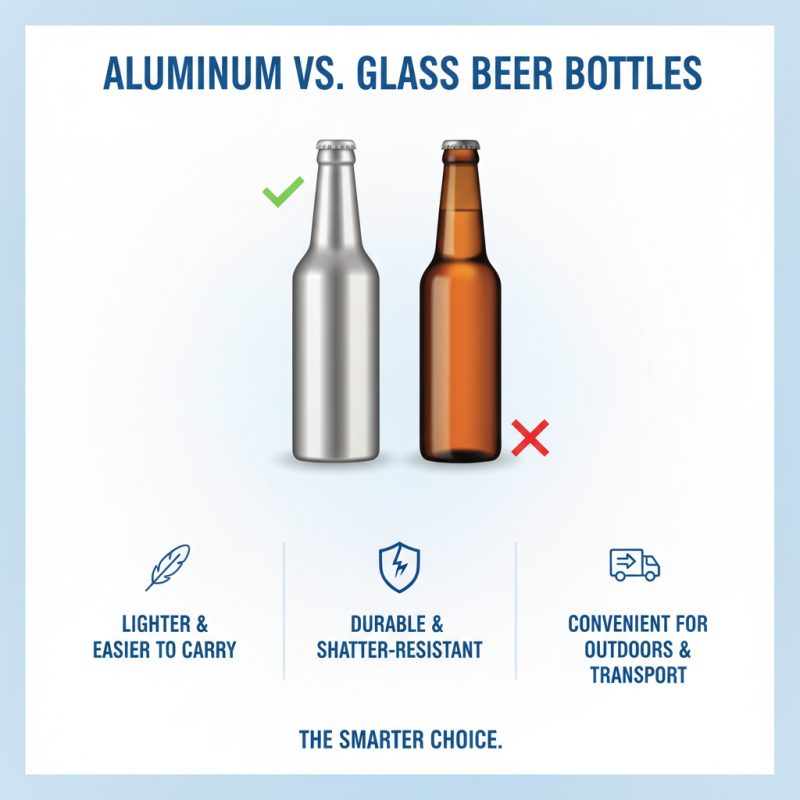
Aluminum beer bottles are gaining popularity for several reasons. Unlike traditional glass bottles, they are lightweight and less fragile. This makes them easier to transport and more convenient for outdoor events. A clumsy drop on the ground can mean shattered glass, but aluminum can withstand bumps and falls. This durability is a key advantage for those looking for a more practical option.
Another benefit is the insulation properties of aluminum. It keeps beer cold for longer periods, enhancing the drinking experience. Imagine enjoying your favorite beverage at a picnic without worrying about it warming up too quickly. However, some people miss the classic feel of glass. There’s a certain charm to the heft and sound of glass bottles. This nostalgia often makes people reluctant to switch.
Some argue that aluminum bottles can impart a metallic taste, impacting flavor. While advancements in technology keep this to a minimum, it can still be an issue worth considering. Not everyone prefers the feel of aluminum in their hand. These factors contribute to varied opinions in the beer-drinking community. Many are curious if aluminum is the future or just a passing trend.
Aluminum beer bottles have gained popularity in the beverage industry. Their lightweight nature makes them easy to transport. In fact, studies show that aluminum bottles can reduce shipping costs by up to 20%. Additionally, these bottles are more durable than glass. They resist breakage, which can significantly lower product loss during distribution.
These bottles are often used for craft beer. Many breweries find that aluminum provides excellent insulation. This helps maintain the beer's temperature longer. Interestingly, a report by the Beverage Marketing Corporation noted that Aluminum accounts for 18% of the bottled beer market. This figure highlights the growing acceptance of aluminum as a viable choice.
However, not all consumers are fully on board. Some prefer traditional glass for its aesthetic appeal. This mixed reception presents a challenge. Manufacturers must focus on educating consumers about the benefits. They should emphasize how aluminum can preserve taste and enhance sustainability. In the long run, tackling these perceptions is essential for market growth.
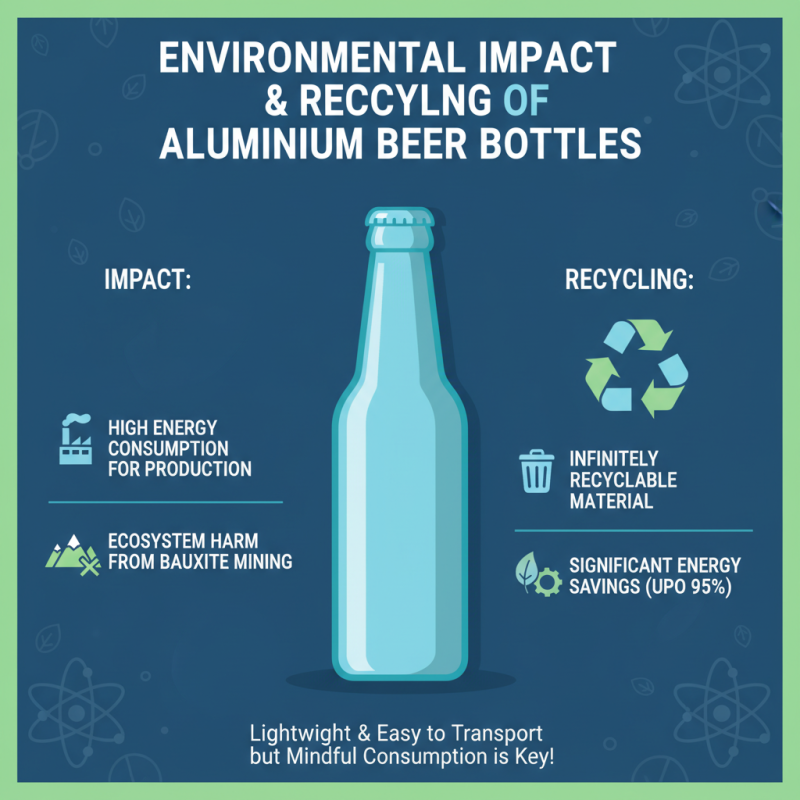
Aluminum beer bottles are increasingly popular. They are lightweight and easy to transport. However, their environmental impact is significant. Producing aluminum consumes large amounts of energy. Additionally, mining bauxite ore can harm ecosystems.
Recycling aluminum beer bottles is crucial. Aluminum can be recycled indefinitely without losing quality. This means less waste in landfills. Each recycled bottle reduces the need for new materials. The recycling process uses a fraction of the energy required for new aluminum production.
Tips: Always rinse your aluminum bottles before recycling. This helps reduce contamination in recycling streams. Check local recycling guidelines to ensure proper disposal. Reducing your overall consumption of single-use products is a valuable goal. Small changes can lead to significant environmental benefits.
The manufacturing process of aluminum beer bottles is intricate and requires precision. Aluminum can be sourced from bauxite, which is abundant. Once the bauxite is refined, it undergoes smelting to produce aluminum ingots. These ingots are then rolled out into thin sheets. The industry standard for aluminum thickness is typically between 0.25mm and 0.3mm. This ensures durability while maintaining a lightweight structure.
Quality standards play a crucial role in ensuring the safety and integrity of aluminum beer bottles. The FDA and various international bodies have set regulations that manufacturers must follow. For instance, bottles must be tested for leaks, corrosion resistance, and tensile strength. The tensile strength of aluminum beer bottles should ideally exceed 200 MPa. However, not all manufacturers meet these standards consistently. This inconsistency can lead to compromised product integrity and potential safety concerns for consumers.
Despite advancements in technology, challenges remain in the recycling process. Aluminum beer bottles are recyclable, but not all facilities accept them. This can lead to increased waste. Interestingly, around 75% of aluminum ever produced is still in use today. This statistic highlights both the efficiency and the ongoing challenges in recycling efforts. Continuous improvements in both manufacturing and recycling are necessary to address these issues effectively.
| Cookie | Duration | Description |
|---|---|---|
| cookielawinfo-checkbox-analytics | 11 months | This cookie is set by GDPR Cookie Consent plugin. The cookie is used to store the user consent for the cookies in the category "Analytics". |
| cookielawinfo-checkbox-functional | 11 months | The cookie is set by GDPR cookie consent to record the user consent for the cookies in the category "Functional". |
| cookielawinfo-checkbox-necessary | 11 months | This cookie is set by GDPR Cookie Consent plugin. The cookies is used to store the user consent for the cookies in the category "Necessary". |
| cookielawinfo-checkbox-others | 11 months | This cookie is set by GDPR Cookie Consent plugin. The cookie is used to store the user consent for the cookies in the category "Other. |
| cookielawinfo-checkbox-performance | 11 months | This cookie is set by GDPR Cookie Consent plugin. The cookie is used to store the user consent for the cookies in the category "Performance". |
| viewed_cookie_policy | 11 months | The cookie is set by the GDPR Cookie Consent plugin and is used to store whether or not user has consented to the use of cookies. It does not store any personal data. |