What is Aluminium Circuit Board and Its Benefits for Buyers?
In the realm of electronics, the Aluminium Circuit Board is gaining significant attention. Known for its superior thermal conductivity, this board type holds the potential to enhance the performance of various devices. It stands out from traditional circuit boards, mainly due to its durability and efficiency. Buyers are increasingly drawn to its ability to dissipate heat effectively, which is crucial in high-performance applications.
The construction of an Aluminium Circuit Board offers numerous benefits, rendering it a wise investment for many industries. Its lightweight design simplifies manufacturing processes, contributing to overall production efficiency. However, some challenges remain, such as the need for precision in manufacturing and potential higher costs compared to traditional options. As professionals explore these benefits, they can make informed decisions that align with their specific needs.
Investing in an Aluminium Circuit Board may come with complexities, but the long-term advantages are substantial. The combination of durability and improved thermal management makes it a worthy consideration. As technology advances, understanding this innovation will be pivotal for buyers aiming to stay ahead in a competitive market.
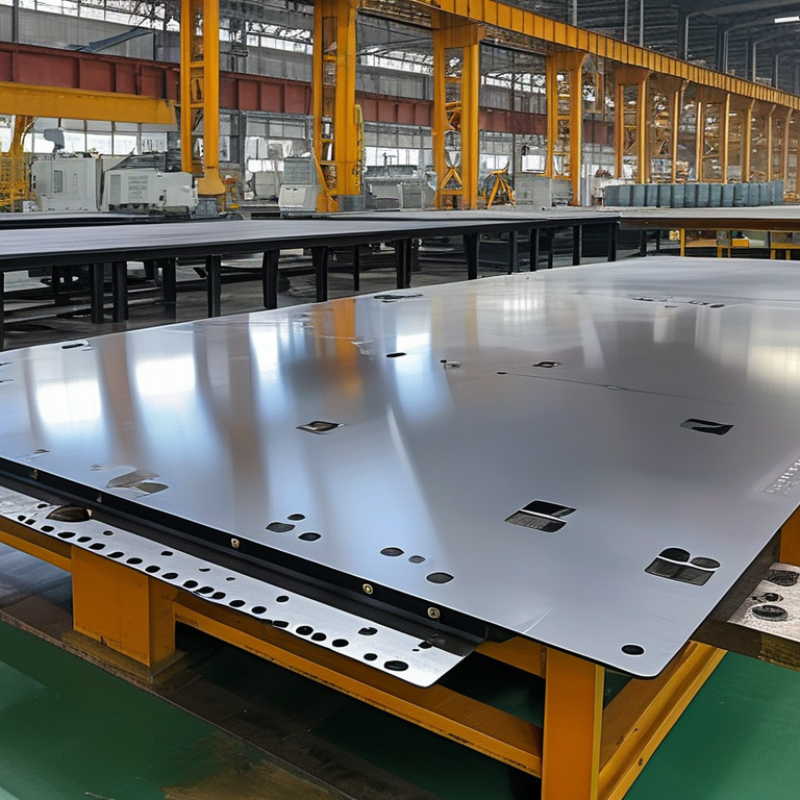
What is an Aluminium Circuit Board?
Aluminium circuit boards (ACBs) have gained attention in the electronics industry for their unique properties. An ACB is a printed circuit board (PCB) that uses aluminium as a base material instead of traditional materials like FR-4. This allows for better thermal management. According to a report by ResearchAndMarkets, the global aluminium PCB market is expected to grow significantly in the coming years, highlighting its rising importance in consumer electronics, automotive, and LED lighting sectors.
One of the primary features of ACBs is their excellent heat dissipation. The aluminium substrate reduces heat buildup, enhancing the reliability of electronic devices. This results in longer product lifespans and reduced chances of failure. With the market for LED lighting projected to reach $70 billion by 2023, the need for efficient thermal management solutions becomes critical. ACBs provide higher performance as they can handle high currents without overheating.
Tip: When considering aluminium circuit boards for your projects, assess the thermal requirements carefully. Ensure that your design accommodates the specific heat dissipation needs.
Aluminium circuit boards also offer advantages like lightweight construction and cost-effectiveness. While the initial investment might be higher than conventional PCBs, the long-term benefits often outweigh the costs. However, not all applications may be suited for ACBs, making it essential to evaluate the specific requirements of each project.
Tip: Keep in mind that while ACBs can improve performance, their suitability should always be assessed against project standards and budget constraints.
Key Features of Aluminium Circuit Boards
Aluminium circuit boards (ACBs) have distinct features that set them apart. One of their primary characteristics is excellent thermal conductivity. The aluminium base effectively dissipates heat. This is crucial for high-power applications. Components generate heat, and proper management is essential for durability and performance.
Another key feature is their lightweight nature. ACBs offer robustness without excessive weight. This makes them ideal for portable devices and compact designs. Their resistance to corrosion enhances longevity, reducing maintenance needs. Additionally, ACBs support precise circuit design, allowing for complex layouts.
However, not every application may benefit from aluminium circuit boards. Their higher initial cost can be a deterrent for some buyers. Understanding specific project requirements is essential. While ACBs excel in thermal management, traditional PCBs might be a better fit for low-power applications. Each project demands careful consideration.
What is Aluminium Circuit Board and Its Benefits for Buyers? - Key Features of Aluminium Circuit Boards
| Feature | Description | Benefits |
| Thermal Conductivity | Aluminium circuit boards provide excellent heat dissipation properties, allowing electronics to operate at lower temperatures. | Improved performance and increased lifespan of components. |
| Weight | Aluminium boards are lighter compared to traditional copper boards. | Reduced shipping costs and easier handling during assembly. |
| Electrical Insulation | They have high electrical insulation properties which prevent short circuits. | Enhanced safety for electronic devices. |
| Cost-Effectiveness | More affordable per unit compared to other materials, especially in large quantities. | Lower production costs leading to better margins for manufacturers. |
| Flexibility | Aluminium circuit boards can be easily shaped or machined to meet specific design requirements. | Customization options for various applications. |
Benefits of Aluminium Circuit Boards for Buyers
Aluminium circuit boards (ACBs) are gaining popularity in the electronics industry. Their thermal performance is a significant advantage. A recent industry report highlighted that ACBs can dissipate heat 5-10 times better than traditional FR-4 boards. This feature is crucial for applications requiring efficient heat management, like LED lighting and power supplies.
Another vital benefit of ACBs is their durability. They are resistant to moisture and corrosion. Studies indicate that they can extend the lifespan of electronics by 20-30%. This longevity reduces replacement costs for manufacturers, making ACBs a wise investment.
Moreover, ACBs are lightweight, which simplifies assembly processes. In mobile devices, every gram counts. Opting for a lighter board design can enhance overall product efficiency. However, buyers should also consider potential higher initial costs of ACBs compared to conventional materials. Balancing upfront costs with long-term savings is essential.
Applications of Aluminium Circuit Boards in Various Industries
Aluminium circuit boards (ACBs) have become essential in various industries due to their unique properties. They provide excellent thermal management, making them ideal for LED lighting applications. In automotive manufacturing, ACBs enhance reliability and performance by managing heat in electronic systems. Their lightweight nature is another asset, contributing to energy efficiency in aerospace designs.
In the consumer electronics sector, ACBs support compact designs while maintaining performance. This makes them increasingly popular in smartphones and tablets. However, designing with ACBs can be challenging. Engineers must consider thermal expansion and soldering techniques, which can complicate the manufacturing process.
**Tip:** Collaborate with engineers who specialize in thermal management. They can provide valuable insights on optimal PCB layouts.
**Tip:** Ensure thorough testing of ACB designs. Small oversights can lead to failures, impacting product longevity.
Applications of ACBs are vast, yet they require careful planning. Mistakes in design can lead to significant issues down the line. A continuous evaluation of the design and its applications is crucial for success in any project.
Aluminium Circuit Board Applications in Various Industries
Comparison of Aluminium Circuit Boards with Traditional PCB Materials
Aluminium circuit boards (ACBs) offer distinct advantages over traditional PCB materials, particularly in heat dissipation and durability. ACBs effectively conduct heat away from critical components. This capability minimizes the risk of overheating in high-power applications. Traditional PCBs, on the other hand, struggle with heat management, which can lead to performance issues.
One significant difference lies in the weight and flexibility of materials. ACBs are heavier but provide better mechanical stability. This can be a con for certain applications that require lightweight solutions. However, their ability to withstand harsh environments makes them preferable for many industries. Traditional PCBs may bend or warp under stress.
Tips: Consider your product's thermal management needs when choosing materials. If performance is a priority, ACBs could be the right choice. Evaluate the long-term durability and potential cost savings of ACBs based on your project requirements. Choosing the right material can impact both functionality and reliability.
Moreover, the initial costs of ACBs may be higher. Buyers should weigh this against the potential for fewer replacements and repairs. ACBs may require specialized manufacturing processes, influencing lead times. However, the advantages in specific applications often justify the higher investment. Understanding these trade-offs is crucial when making an informed decision.