2026 Top Trends in Water in Aluminum Bottles for Sustainable Living?
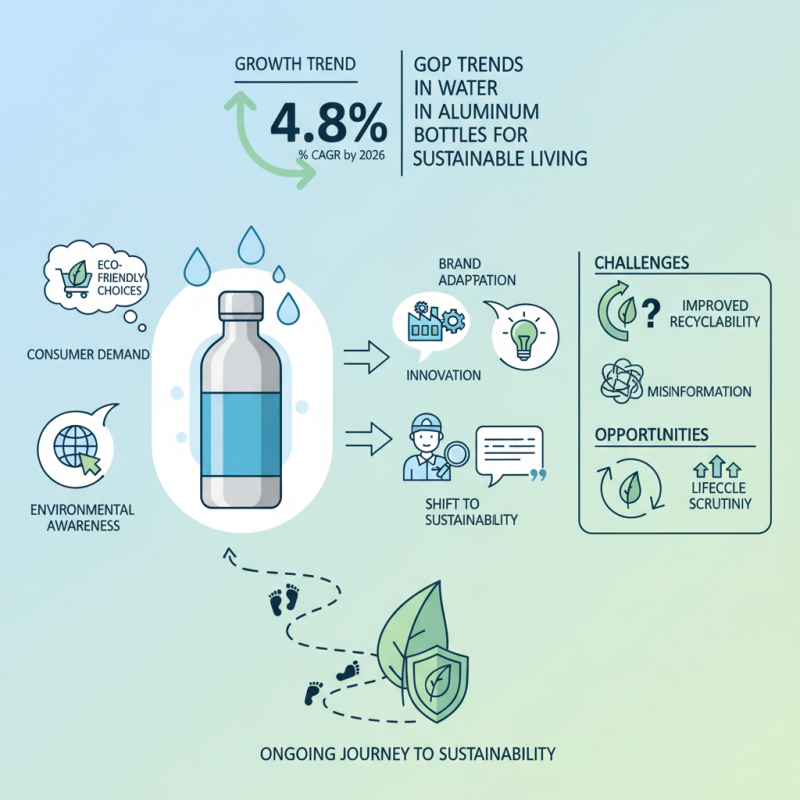
In recent years, the demand for water in aluminum bottles has surged. Consumers seek sustainable alternatives to plastic. The global aluminum bottle market is projected to grow at a CAGR of 4.8% by 2026, according to a recent industry report. This growth reflects a wider awareness of environmental issues.
Experts like Dr. Emily Thompson, a sustainability researcher, emphasize this shift. She states, “The transition to water in aluminum bottles showcases a significant movement towards eco-friendly choices.” Many brands are adapting to this trend, investing in eco-conscious packaging solutions. However, challenges remain. Not every aluminum bottle is recyclable, and misinformation persists about sustainability benefits.
The conversation around water in aluminum bottles is evolving. As brands strive for improvement, discerning consumers are becoming more aware. They scrutinize the entire lifecycle of the products they choose. The journey to sustainability is ongoing, necessitating constant evaluation and accountability.
Emerging Innovations in Aluminum Water Bottles for Eco-Conscious Consumers
As eco-conscious consumers increasingly prioritize sustainability, innovations in aluminum water bottles are on the rise. According to a recent industry report, the global aluminum bottle market is projected to reach $3.5 billion by 2026. This growth reflects a significant shift towards reusable, environmentally friendly alternatives to single-use plastic. Consumers are now more aware of the environmental impact of their choices, pushing manufacturers to adopt greener practices.
Many new aluminum bottles come with features like collapsible designs and integrated filtration systems. These elements enhance convenience while reducing waste. A study found that using aluminum bottles can decrease plastic waste by up to 80%. While these innovations are promising, some consumers may continue to hesitate due to cost factors. It's important to weigh the long-term benefits against initial investments.
**Tip:** Look for aluminum bottles with BPA-free liners to ensure safety and environmental compliance.
New technologies such as smart water bottles are also gaining traction. These bottles track hydration and remind users to drink water regularly. However, it’s essential to remember that innovation should not come at the expense of simplicity. Some consumers prefer classic designs without gadgets. Engaging sustainability while maintaining personal preference can be challenging.
**Tip:** Choose aluminum bottles made from recycled materials to support a circular economy.
Sustainability Practices in Aluminum Production for Water Bottles
Aluminum bottles are emerging as a sustainable alternative to plastic. The process of aluminum production, however, raises important questions about environmental impact. Over 90% of aluminum used in products like water bottles comes from mining bauxite. This process is energy-intensive and can lead to significant habitat destruction. In fact, the aluminum industry accounts for 1% of global greenhouse gas emissions.
To improve sustainability, many companies are exploring recycling. Recycling aluminum saves up to 95% of the energy needed for new production. Interestingly, recycled aluminum can be transformed into new bottles in just 60 days. The global recycling rate for aluminum is about 75%, though efforts to increase this number are ongoing. Many consumers may not know that every aluminum bottle can be recycled multiple times without losing quality.
There are challenges to consider. Not all recycling facilities accept aluminum, and contamination can lead to more waste. The journey towards a fully sustainable aluminum bottle relies on better consumer education. It is crucial to develop infrastructure to support recycling. Moreover, while aluminum is better than plastic in many ways, it still requires careful scrutiny. It's a complex issue that demands innovation and commitment from all stakeholders involved.
2026 Trends in Water Consumption in Aluminum Bottles
The Role of Recyclability in Promoting Aluminum Bottles
In recent years, aluminum bottles have gained popularity as a sustainable choice in packaging.
Recyclability plays a critical role in this trend.
According to the Aluminum Association, aluminum is infinitely recyclable. This means it can be reused endlessly without losing its properties. In addition, recycling aluminum saves about 90% of the energy required to produce new aluminum. This significant energy reduction is a key factor in promoting sustainable living.
However, challenges remain. Not all recycling systems handle aluminum effectively. Only an estimated 50% of aluminum containers are recycled in many regions. This inefficiency highlights the need for improved educational programs about recycling. Many consumers still lack awareness of how to recycle aluminum correctly. They may throw bottles in the trash instead of the recycling bin. Addressing these gaps is essential for boosting recycling rates.
Aluminum bottles offer benefits like durability and lightweight design. Their visual appeal also attracts consumers. Yet, the dependence on single-use bottles still exists. To truly embrace sustainability, long-term solutions must be integrated within existing systems. It is crucial to engage communities in sustainable practices beyond just using aluminum bottles.
Consumer Preferences and Trends in Eco-Friendly Packaging
As the world shifts toward sustainability, consumer preferences in packaging are evolving. More people prefer
aluminum bottles for water over plastic. They seek lightweight, recyclable options that also look appealing.
The sleek design of aluminum plays a part in attracting eco-conscious shoppers. Every small detail matters, from the color to the logo placement.
A captivating design can enhance the overall experience.
However, not all aluminum bottles are created equal. Some consumers are concerned about the production process
and carbon footprint. This prompts a deeper reflection on sustainability practices. Questions arise: Are we really reducing waste? Or are we merely
exchanging one source of pollution for another? There's still work to be done in many manufacturing processes.
Transparency is key, as consumers demand more information about the products they choose.
Additionally, convenience plays a significant role in consumer choices. Easy-to-carry aluminum bottles are favored, especially for an
active lifestyle. Yet, the balance of practicality and ecological responsibility remains a challenge. Many wonder if the convenience is worth
the environmental cost. This debate continues, highlighting the need for innovation in eco-friendly packaging
solutions. As consumer awareness grows, demand for sustainable options will likely increase.
Impact of Aluminum Bottles on Reducing Plastic Waste in Water Consumption
The rising environmental concern over plastic waste is prompting a shift towards aluminum bottles for water consumption. Aluminum is a robust and lightweight material, making it a suitable alternative to plastic. By using aluminum bottles, we can significantly cut down on single-use plastics. Each year, millions of tons of plastic end up in oceans. This crisis impacts marine life and pollution levels.
While aluminum bottles offer benefits, there are also challenges. Some consumers may find them more expensive than plastic options. Additionally, not all aluminum is recycled effectively. Awareness of proper recycling practices is crucial. It’s essential to clean and separate bottles from other materials. Without proper handling, the potential benefits diminish.
Transitioning to aluminum bottles is a step forward. However, it’s not a perfect solution. We must continue to explore and adopt further sustainable practices. When it comes to water consumption, every drop matters. Small changes can have significant impacts, but they require collective effort.