2026 Best Mixed Cat Litter for Global Buyers Top Picks?
In recent years, the demand for quality Mixed Cat Litter has surged. Cat owners are looking for effective solutions that combine various materials to enhance odor control and clump formation. Expert veterinarian Dr. Susan Lewis, who specializes in feline health, states, “Choosing the right mixed cat litter can significantly improve your cat's litter box experience.” This highlights the importance of selecting a suitable product.
Mixed cat litter blends different components such as clay, corn, and recycled paper. This combination aims to provide the best features from each material. For example, clumping clay offers strong odor control, while biodegradable options cater to eco-conscious buyers. However, not all mixed litters are created equal, and some may not perform as expected.
As we explore the top picks for 2026, it’s crucial to consider both performance and your cat's preference. Some cats may be sensitive to certain scents or textures in mixed cat litter. Understanding your pet's needs is key. Even with leading brands, trial and error can be part of the journey. Finding the best mixed cat litter requires patience and experimentation to ensure your feline friend is happy and healthy.
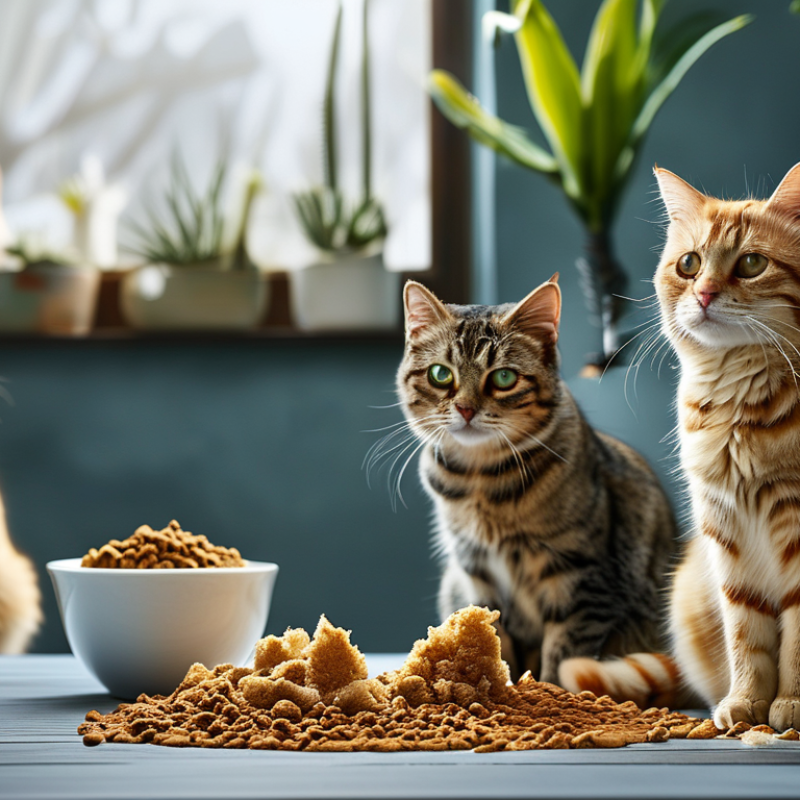
Understanding Mixed Cat Litter: What Makes It Ideal for Cats
Mixed cat litter has gained popularity among cat owners, thanks to its unique blend of materials. This litter type combines elements like clay, corn, and recycled paper, leading to improved odor control and absorption. According to a recent survey by the Pet Care Association, over 40% of cat owners prefer mixed litter for its effectiveness in reducing waste odor. Cats are sensitive to smells, and mixed litter often mimics natural environments, making them feel more at ease.
The ideal mixed cat litter should offer excellent clumping ability and be low in dust. Studies have shown that dust-free options can significantly reduce respiratory issues in both cats and humans. In fact, about 15% of cat owners report allergy problems linked to dusty litters. However, not all mixed litters are created equal. Some may lack sufficient absorbency or odor control, leading to dissatisfaction among cat owners. It is essential to find a balance between comfort for your pet and convenience for you.
When selecting mixed cat litter, consider factors like texture and material. Cats often prefer fine textures over coarse ones. Additionally, some pets may have allergies that warrant a more careful selection process. Further research is needed, as preferences can vary greatly among different breeds and individual cats. Understanding these nuances helps improve the overall litter experience for both pets and their owners.
Key Ingredients in the Best Mixed Cat Litters for 2026
Choosing the best mixed cat litter for 2026 involves understanding key ingredients that enhance performance and user experience. Reports indicate that clumping agents, such as sodium bentonite, are crucial for optimal odor control and easy cleaning. These materials bind moisture effectively, making it easier to scoop waste daily. Additionally, natural absorbents like corn and wheat are gaining popularity for being eco-friendly and safe for pets.
When shopping for cat litter, look for those with added odor-neutralizing agents. Products infused with baking soda or activated charcoal can significantly reduce smells. It's important to consider the texture as well; a finer grain tends to be gentler on your cat's paws, which can encourage usage. Research shows that nearly 37% of cat owners prefer litter that minimizes tracking outside the box, a feature worth seeking.
**Tip:** Always transition your cat gradually to a new litter to prevent aversion. A sudden change can lead to stress for your pet.
Considering environmental impact is wise too. Many cat litters claim biodegradable properties, yet only 25% of brands give transparent information about sourcing and production. Look for certifications that indicate responsible practices. These reflections help guide your selection process, ensuring you choose a product that meets both your cat’s needs and your own values.
2026 Best Mixed Cat Litter for Global Buyers Top Picks
| Type of Litter | Key Ingredients | Absorption Rate | Odor Control | Clumpability | Environmental Impact |
| Clay-Based | Bentonite Clay, Sodium Bentonite | High | Excellent | Very Good | Non-Biodegradable |
| Wood-Based | Recycled Wood Pellets, Sawdust | Moderate | Good | Good | Biodegradable |
| Corn-Based | Corn Flour, Natural Additives | High | Very Good | Excellent | Biodegradable |
| Paper-Based | Recycled Paper, Natural Fragrance | Moderate | Fair | Fair | Biodegradable |
| Silica Gel | Silica dioxide | Very High | Excellent | Poor | Non-Biodegradable |
Top Picks for Mixed Cat Litter: Reviews and Recommendations
Finding the right mixed cat litter can be challenging. Many options on the market provide different benefits. It’s crucial to consider your cat's needs alongside your preferences.
For instance, some litters combine clumping abilities with odor control. This can help maintain a fresher environment. Soft texture is essential too, especially for sensitive paws. Cats prefer litter that feels comfortable beneath them. Unsurprisingly, scoopable varieties are often favored, making cleanup easier.
However, not all mixed litters meet expectations. Some may produce dust particles that could irritate your cat’s respiratory system. Additionally, certain blends may fail to absorb odors effectively. It’s wise to read user reviews before making a choice. Understanding both positive and negative experiences can guide your decision.
Comparing Performance: Absorption, Odor Control, and Clumping
When selecting the best mixed cat litter, performance is crucial. Key factors include absorption, odor control, and clumping efficiency. Studies show that highly absorbent litters can hold around 150% of their weight in moisture. This means less mess and an overall cleaner litter box. Effective absorption is essential for both cats and their owners.
Odor control is another vital aspect. A survey indicated that 75% of cat owners prioritize litter that neutralizes odors efficiently. Many litters incorporate special odor-fighting agents, which can significantly reduce unpleasant smells. However, some products may fail to meet expectations, leading to dissatisfaction. It's important to research and test different options.
Clumping ability varies widely among products. The best clumping litters form solid, compact clumps that are easy to scoop. A good clumping litter should create clumps that do not break apart when handled. Some litters struggle with this, resulting in wasted material and more work for the owner. Investigating reviews and customer feedback can reveal much about the clumping quality.
2026 Best Mixed Cat Litter Comparison
Sustainability and Eco-friendliness in Cat Litter Options for Buyers
As global awareness of environmental issues rises, cat litter options are evolving. Many buyers prioritize sustainability and eco-friendliness. Research shows that 30% of cat owners are willing to pay more for sustainable products. This higher demand is influencing the market significantly.
Biodegradable materials are gaining traction. Options like corn, wheat, and recycled paper provide alternatives to traditional clay litters. A study found that over 80% of litter made from these materials breaks down naturally within 90 days. This is a compelling statistic for eco-conscious consumers. However, they often grapple with performance. Some biodegradable litters do not clump well or control odors as effectively.
Shoppers must also consider packaging. Many companies are moving towards more sustainable packaging solutions. Despite the trend, only 45% of reviewed products met eco-friendly packing standards in a recent analysis. Selecting a truly sustainable litter often requires careful reading of labels. Transparency in sourcing and production remains a significant issue. This complexity highlights the need for better consumer education in choosing eco-friendly options.